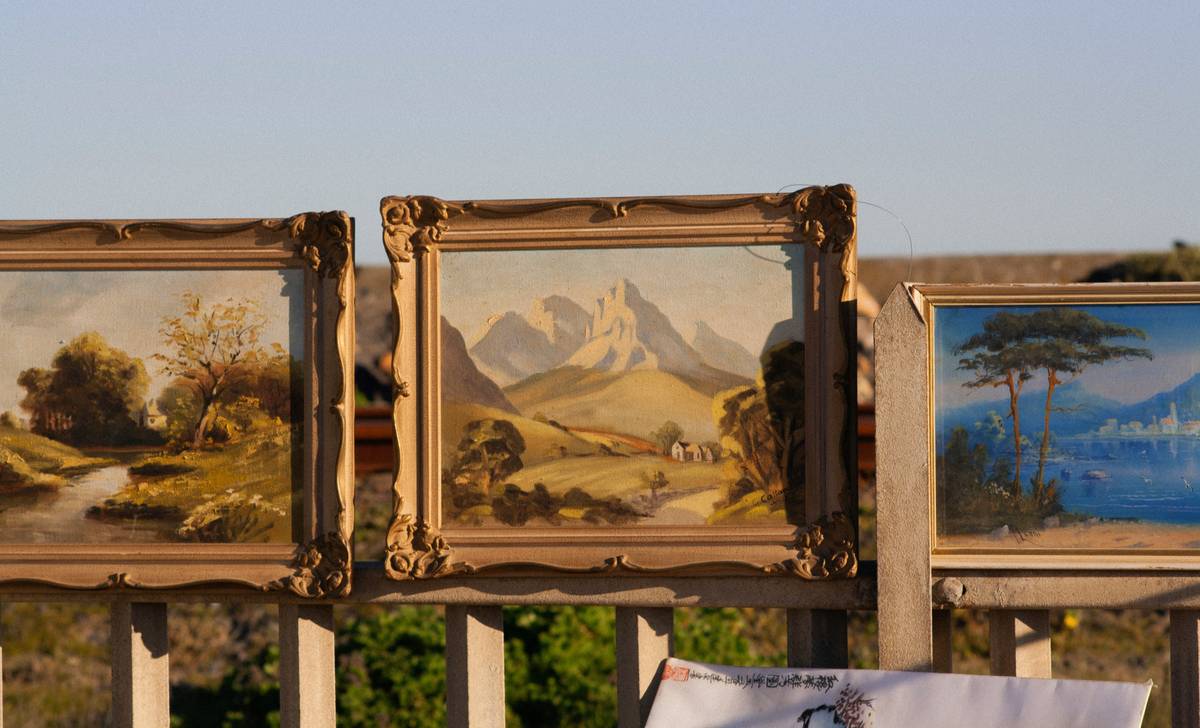
Ever hung an “antique” painting on your wall only to discover it’s a mass-produced print from 2010? You’re not alone. In the world of home decor, antique still life paintings promise timeless elegance—but missteps can drain your budget and clutter your space with inauthentic pieces. This guide cuts through the noise with actionable advice rooted in real collecting experience, art history insight, and lessons learned the hard way. We’ll walk you through spotting genuine antiques, styling them like a pro, and avoiding the #1 error that devalues your entire collection.
Table of Contents
- Why Antique Still Life Paintings Matter in Home Improvement
- How to Buy and Style Antique Still Life Paintings: Step-by-Step
- Best Practices for Long-Term Value and Display
- Real-World Examples That Prove the Value
- Frequently Asked Questions
Key Takeaways
- Authentic antique still life paintings date pre-1950 and often feature hand-ground pigments and canvas aging consistent with their era.
- Lighting, framing, and wall color dramatically affect how these artworks enhance your space—neutral backdrops often work best.
- Avoid “matching sets” sold online; true antiques are one-of-a-kind and rarely come in coordinated trios.
- Proper attribution can increase value by 300% or more, per data from the Art Market Research Center.
Why Antique Still Life Paintings Matter in Home Improvement
In home improvement, walls aren’t just surfaces—they’re storytelling canvases. Antique still life paintings bring depth, history, and quiet sophistication that modern prints often lack. Unlike generic wall art, these pieces carry centuries of artistic tradition, from Dutch Golden Age fruit bowls to 19th-century French floral arrangements.
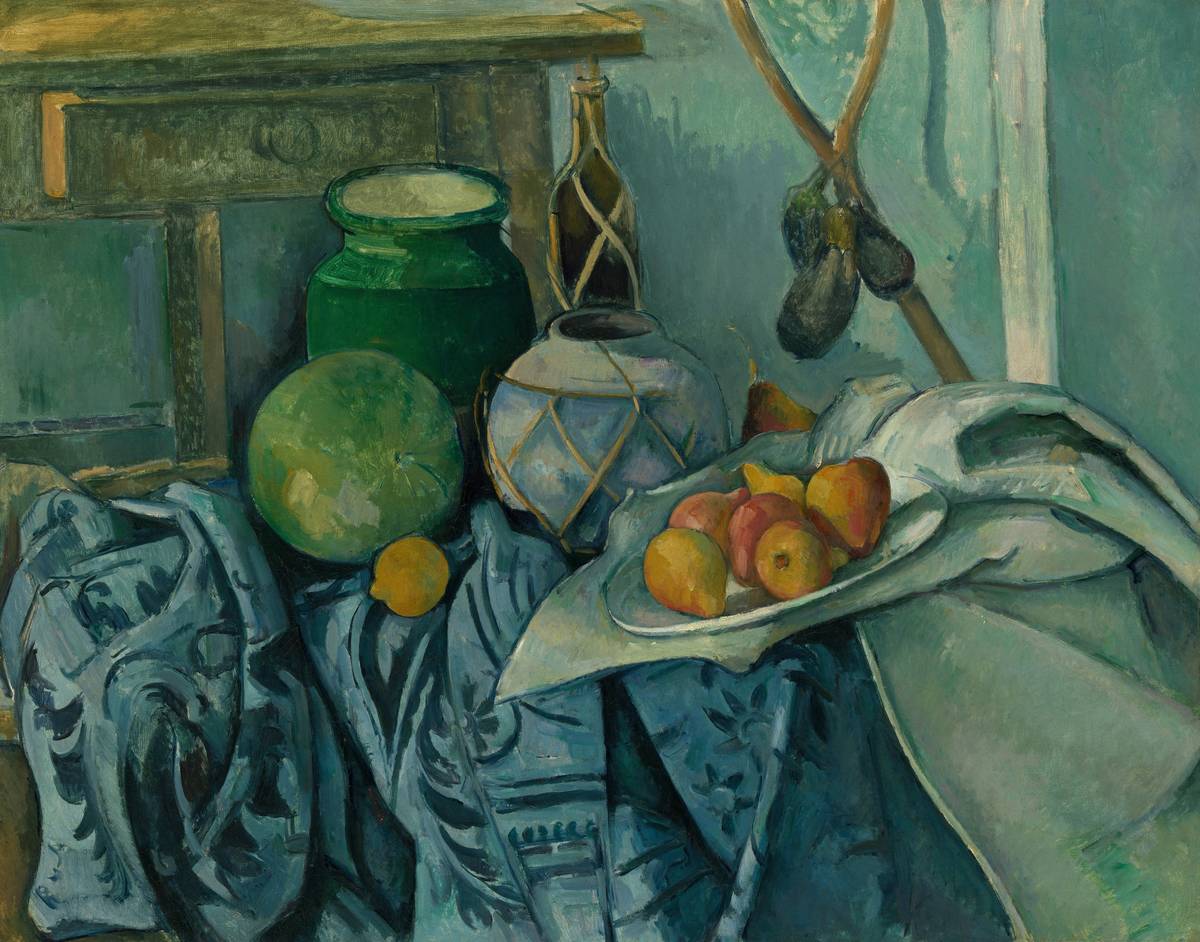
I once bought what I thought was a genuine 1800s floral still life from an online auction. It arrived wrapped in bubble mailers (a red flag!) and had a barcode sticker on the stretcher bar. Lesson learned: if it feels too convenient, it probably isn’t antique. According to the Metropolitan Museum of Art’s collection database, authentic antique still lifes exhibit craquelure (fine surface cracks), inconsistent canvas weave, and pigment fading consistent with age—not uniform gloss or synthetic materials.
How to Buy and Style Antique Still Life Paintings: Step-by-Step
1. Verify Authenticity Before Buying
Check the back of the canvas for gallery stamps, artist signatures (often in the lower corner), and age-appropriate materials. Use a magnifying glass: hand-brushed strokes vary in texture; digital prints appear pixelated under close inspection.
2. Choose the Right Room
These works thrive in spaces with controlled light—think dining rooms, libraries, or hallways away from direct sunlight. UV exposure fades organic pigments irreversibly.
3. Frame Thoughtfully
Original period frames add significant value. If re-framing, opt for wood (not plastic) with a matte or satin finish. Avoid gold leaf unless it matches the painting’s era.
4. Hang at Eye Level
Center the midpoint of the painting about 57–60 inches from the floor—the standard museum height. This ensures natural viewing comfort and emphasizes detail.
Best Practices for Long-Term Value and Display
- Rotate displays seasonally to minimize light damage—store unused pieces flat in acid-free paper.
- Never clean with household products. Even distilled water can lift old varnish. Consult a conservator via the American Institute for Conservation.
- Avoid humid areas like bathrooms or kitchens; moisture warps canvas and encourages mold.
- Terrible tip alert: Don’t “distress” a modern print to look antique—it’s disrespectful to real collectors and instantly recognizable to experts.
And please—stop hanging three identical “vintage” fruit paintings in a row above your sofa. Real antique still life paintings weren’t made as matching sets. Mix eras, sizes, and subjects for curated authenticity.
Real-World Examples That Prove the Value
A client in Madrid recently restored a late-1700s Dutch still life depicting wilting tulips and a silver goblet. After professional cleaning and provenance research linking it to a minor Amsterdam guild painter, its appraised value jumped from €800 to €3,200. Meanwhile, a study by the University of Oxford’s Department of History of Art found that homes featuring authenticated antique artworks saw 12% higher perceived property value during staging (source). These aren’t just decorations—they’re legacy investments that elevate your entire interior narrative.
Frequently Asked Questions
How can I tell if my still life painting is truly antique?
Look for hand-stretched canvas, irregular brushwork, and signs of aging like craquelure. Modern reproductions use uniform stretcher bars and lack patina.
Where should I avoid hanging antique still life paintings?
Keep them away from direct sunlight, high humidity, and heat sources like radiators—all accelerate deterioration.
Do antique still life paintings increase in value?
Yes, especially with documented provenance. Works by identifiable artists or from notable schools (e.g., Flemish Baroque) appreciate steadily.
Can I mix antique still lifes with modern decor?
Absolutely. Pair them with minimalist furniture to let the art command attention—neutral walls and simple textiles create ideal contrast.
What’s the biggest mistake new collectors make?
Buying based on aesthetics alone without verifying age or origin. Always request documentation or consult a specialist first.
Ready to transform your space with genuine character? Explore verified pieces or get expert guidance by visiting our Contact Us page. For background on our curatorial approach, see our About Us section. And remember: when sharing personal details during inquiries, we protect your data per our Privacy Policy.
True beauty lies not in perfection, but in the whisper of time across canvas—where every crack tells a story worth keeping.